

The Guide to Handling Emergency Roadside in Dubai
Need recovery or roadside help in Dubai?
Call 800-1666 or send your location on WhatsApp. Include the vehicle model, the problem and your destination. Ask the team to confirm availability, the suitable equipment, the estimated arrival time and the total quote before dispatch.
Driving in Dubai is a world-class experience, but the combination of high-speed highways, desert terrain, and extreme temperatures creates a unique set of challenges for any vehicle. Whether you are commuting on Sheikh Zayed Road or heading out for a weekend in Hatta, a breakdown can happen when you least expect it.
This blog serves as your resource for navigating emergency roadside in the UAE. From overheating engines to high-speed tire blowouts, we cover the essential safety protocols and expert solutions provided by 166 Recovery.
What to do when your car breaks down in Dubai?
A sudden car breaks down (ex: mechanical failure) in the middle of Dubai’s fast-moving traffic can be overwhelming. The key is to act decisively to protect yourself and your passengers. If your vehicle starts losing power or malfunctioning, follow this 4-step immediate response protocol:
Move to the safe zone
Your priority is to get off the live traffic lanes. In Dubai, most highways have a dedicated emergency roadside shoulder (the yellow line area). If the car is still moving, steer it toward the right-hand shoulder. Never stop in the fast lane (left side) unless it is physically impossible to move.
Signal and communicate
Switch on your hazard lights immediately. This is the universal language of distress on UAE roads. If it is dark, keep your sidelights on to ensure your vehicle’s silhouette is visible from a distance.
Safe exit
If you can safely exit the vehicle, do so from the side away from traffic (usually the right-hand doors). Stand behind the metal crash barrier if one is available.
The 50-Meter Rule
Place your reflective warning triangle at least 50 meters behind your car. This gives high-speed drivers enough time to react and change lanes.
Car Overheating in Dubai: Causes & Prevention
The UAE's summer heat is the ultimate test for any cooling system. When the ambient temperature hits 45°C - 50°C, your engine’s internal temperature can skyrocket, leading to catastrophic failure if not managed. It is called as car overheating.
Why do cars overheat in Dubai?
- Coolant degradation: The extreme heat causes coolant to break down or evaporate faster than in cooler climates.
- Cooling fan failure: If your fan stops working, there is no airflow to cool the radiator while you are stuck in Dubai’s famous "bumper-to-bumper" traffic.
- Pressure leaks: High temperatures increase the pressure in hoses, often leading to cracks or leaks in the radiator system.
How to prevent it?
Don't wait for the steam to appear. Regularly check your coolant levels and ensure your radiator is flushed annually. If you see the temperature needle rising, turn off your Air Conditioning immediately—this reduces the load on the engine—and pull over safely to let it cool down.
Flat tire on the highway – Safety steps
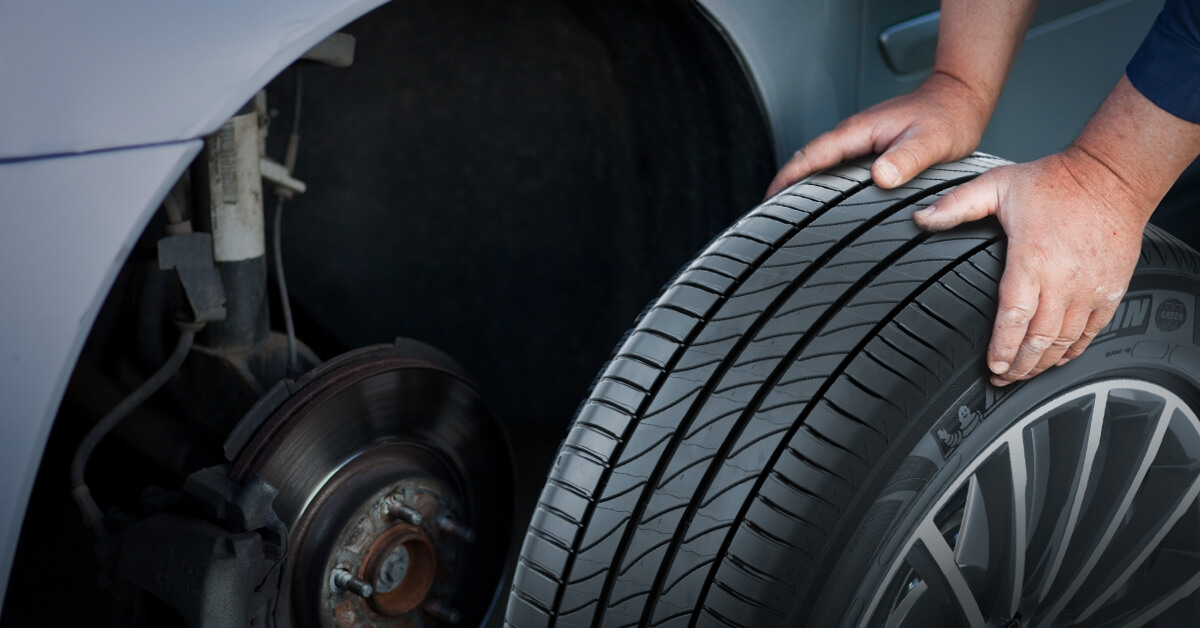
A tire blowout at 120 km/h is one of the most dangerous situations a driver can face. In Dubai, the combination of hot asphalt and high speeds can cause older or under-inflated tires to disintegrate.
The Survival strategy
No Sudden Braking: Your first instinct might be to slam on the brakes. Don't. This can cause the car to spin out of control. Instead, maintain a firm grip on the steering wheel and allow the car to slow down naturally.
Find a Flat, Hard Surface: Once you have slowed down, look for a level area on the shoulder. Changing a tire on sand or an incline is dangerous and unstable.
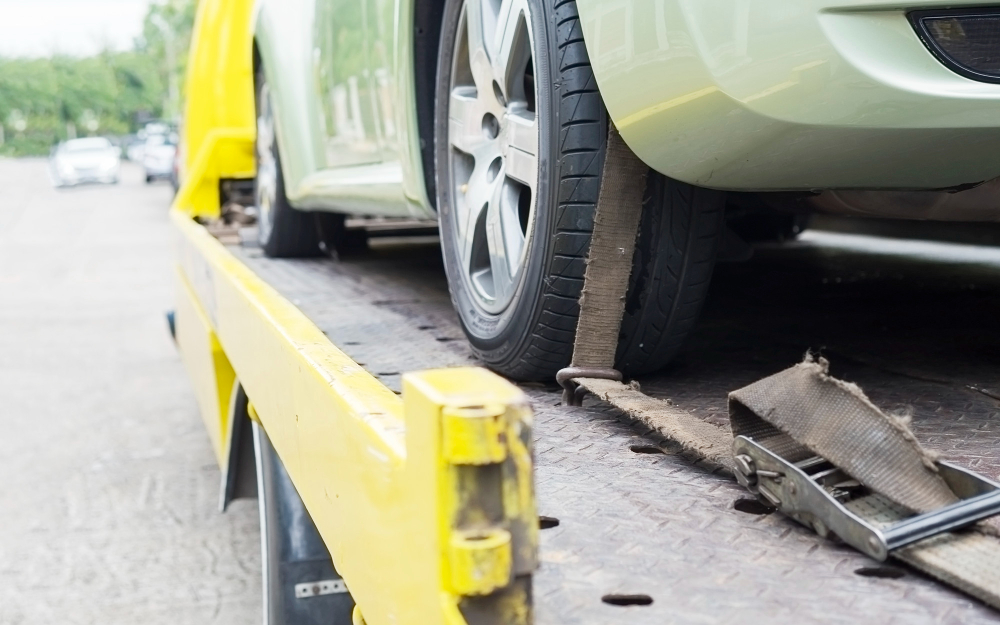
Call for Professional Support: On busy roads like Al Khail Road or E311, the risk of being hit while changing a tire is extremely high. 166 Recovery recommends staying in the car with your seatbelt on and calling for a professional recovery truck that has high-visibility strobe lights to act as a barrier.
Car breakdown at night: Dubai safety tips
While Dubai is one of the most well-lit cities in the world, breaking down at night on the outskirts—such as near Al Qudra or the Dubai-Al Ain Road - presents visibility risks.
Maximum Visibility: In addition to hazard lights, turn on your interior cabin light. This makes it easier for recovery drivers and police to see that the vehicle is occupied.
Use Digital Tools: In the dark, it can be hard to identify landmarks. Use your smartphone to send your GPS coordinates or a "Live Location" pin to the 166 Recovery dispatch team. This ensures we find you in minutes, not hours.
Stay Cautious of Strangers: While the UAE is very safe, it is always best practice to stay inside your locked vehicle until a marked recovery truck or police vehicle arrives.
What NOT to do during emergency roadside
Often, the mistakes made after the car stops are what lead to injuries or further damage. Avoid these common pitfalls:
Don't open the radiator cap: If your car has overheated, the fluid inside is under extreme pressure and heat. Opening it can result in severe 3rd-degree burns.
Don't stand between two vehicles: If someone stops to help you, never stand between your car and theirs. If a third car hits the back, you could be crushed.
Don't ignore the signs: If your car is making a strange noise or the "Check Engine" light is on, don't try to "push it" to your destination. Stopping early prevents a small repair from becoming a full engine replacement.
Don't attempt complex repairs on the road: Dubai’s roads are too fast for DIY mechanics. Leave the heavy lifting to professional recovery teams.
Emergency Roadside Kit for Dubai Drivers
Every car in Dubai should be equipped with a "Heat-Ready" emergency roadside kit. We recommend carrying:
- At least 5 liters of drinking water.
- A fully charged power bank.
- A heavy-duty flashlight.
- A basic first-aid kit.
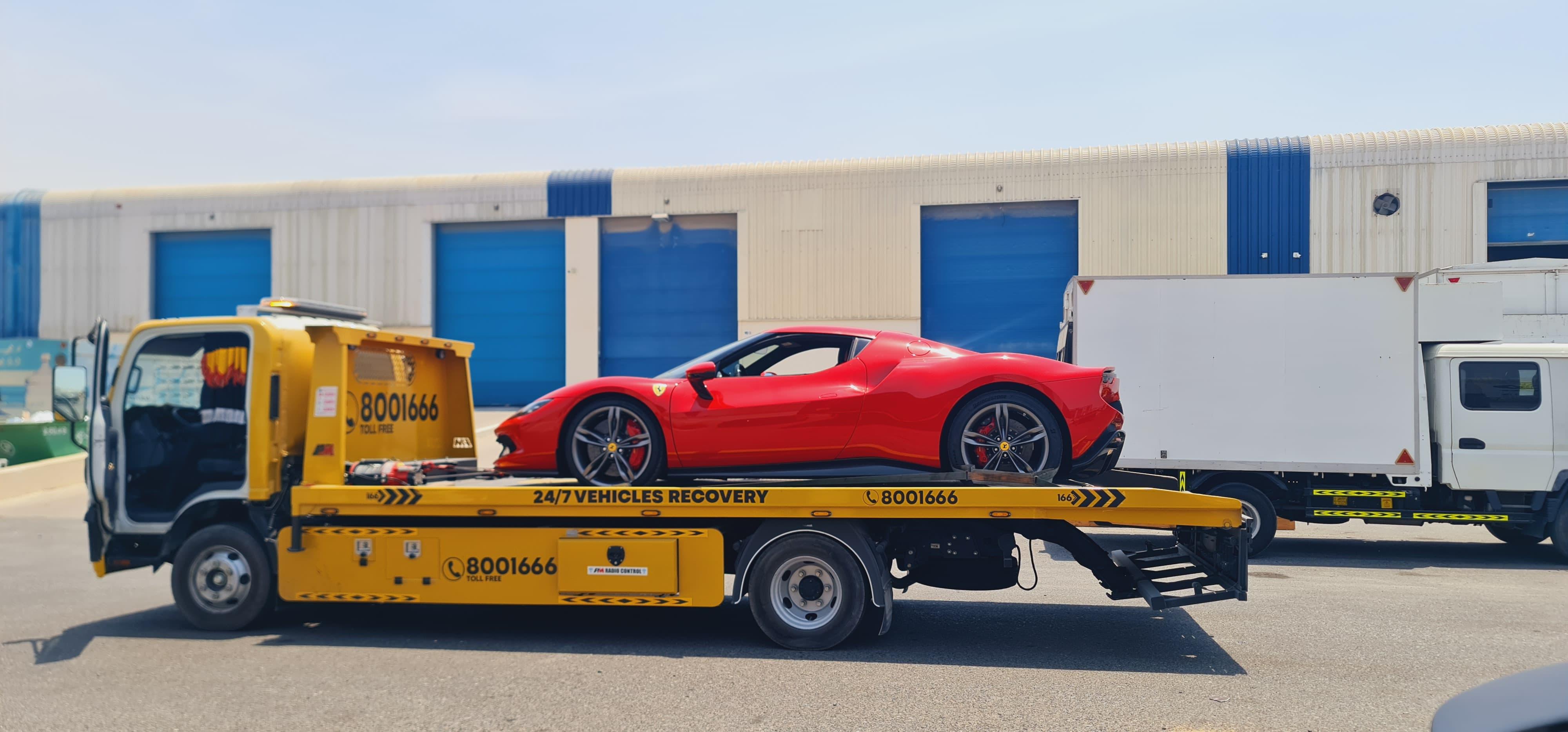
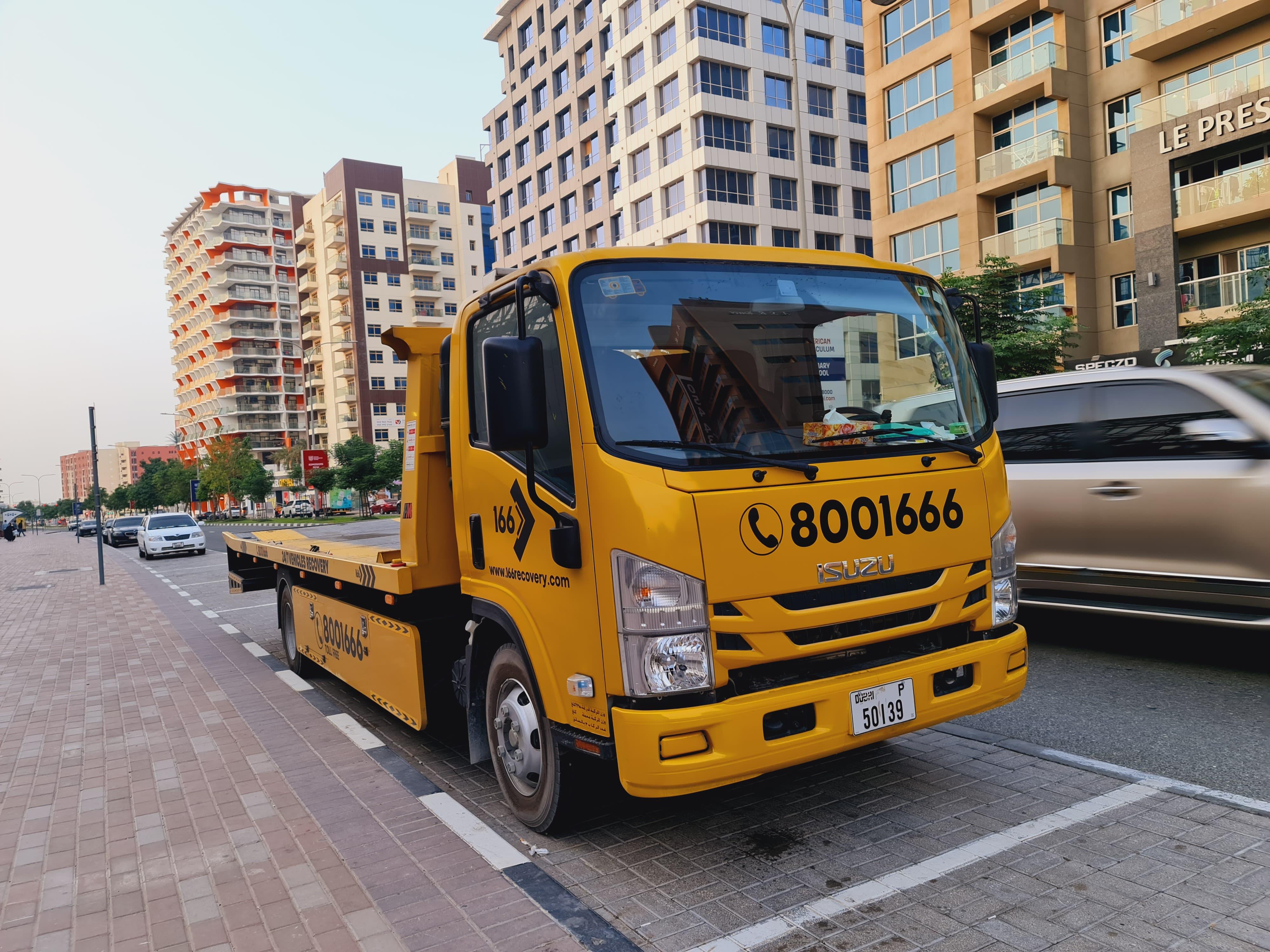
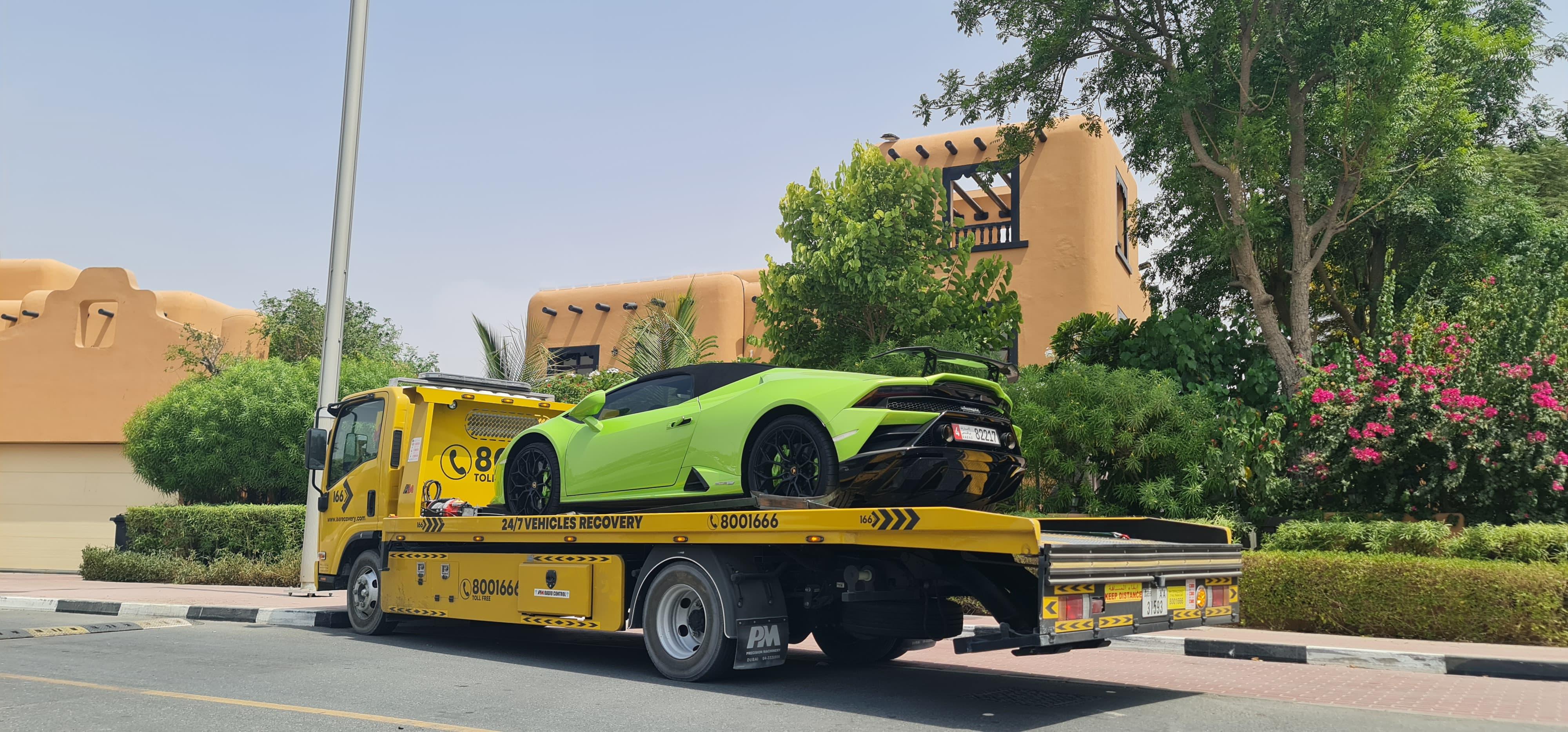
How 166 Recovery Keeps Dubai Moving?
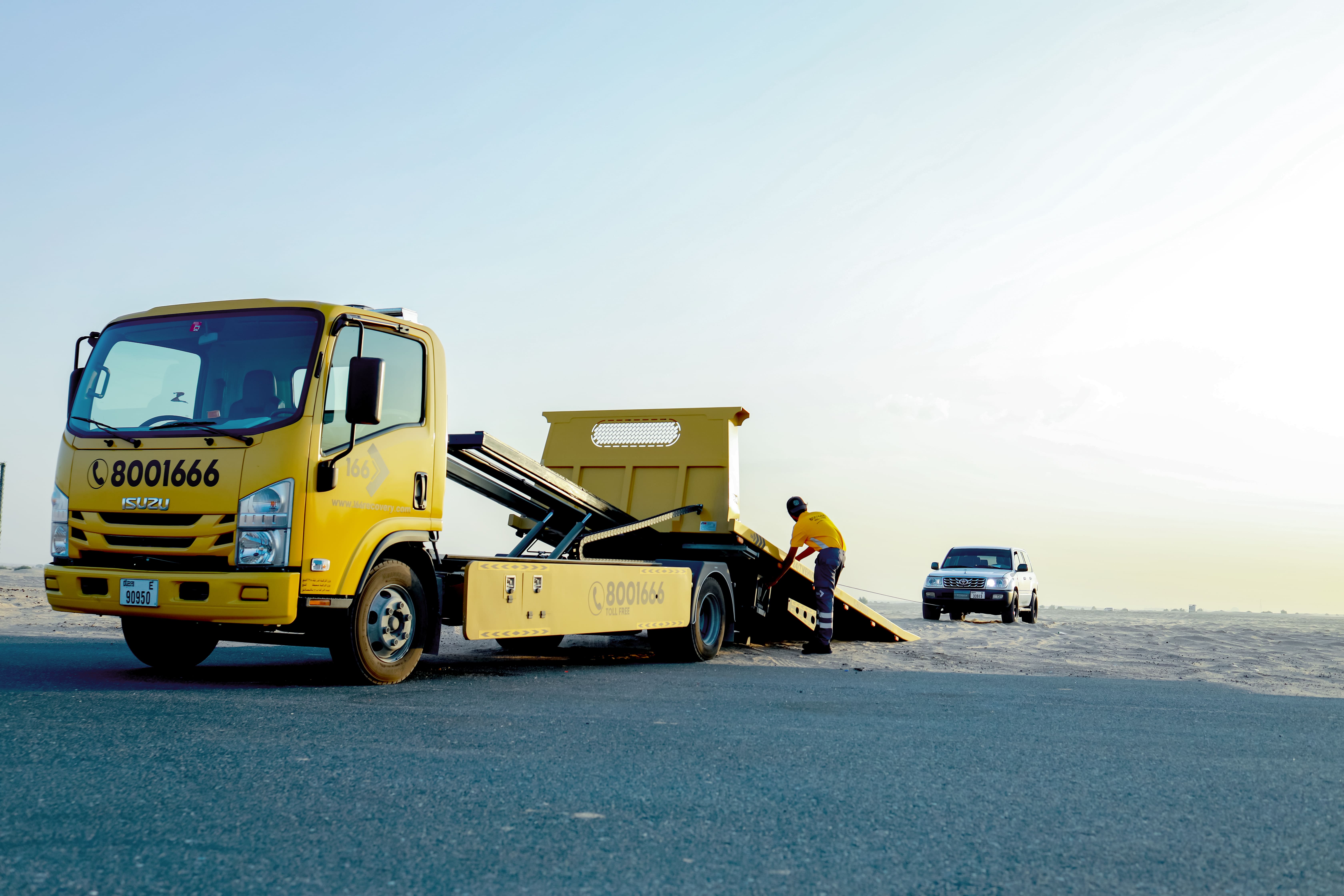
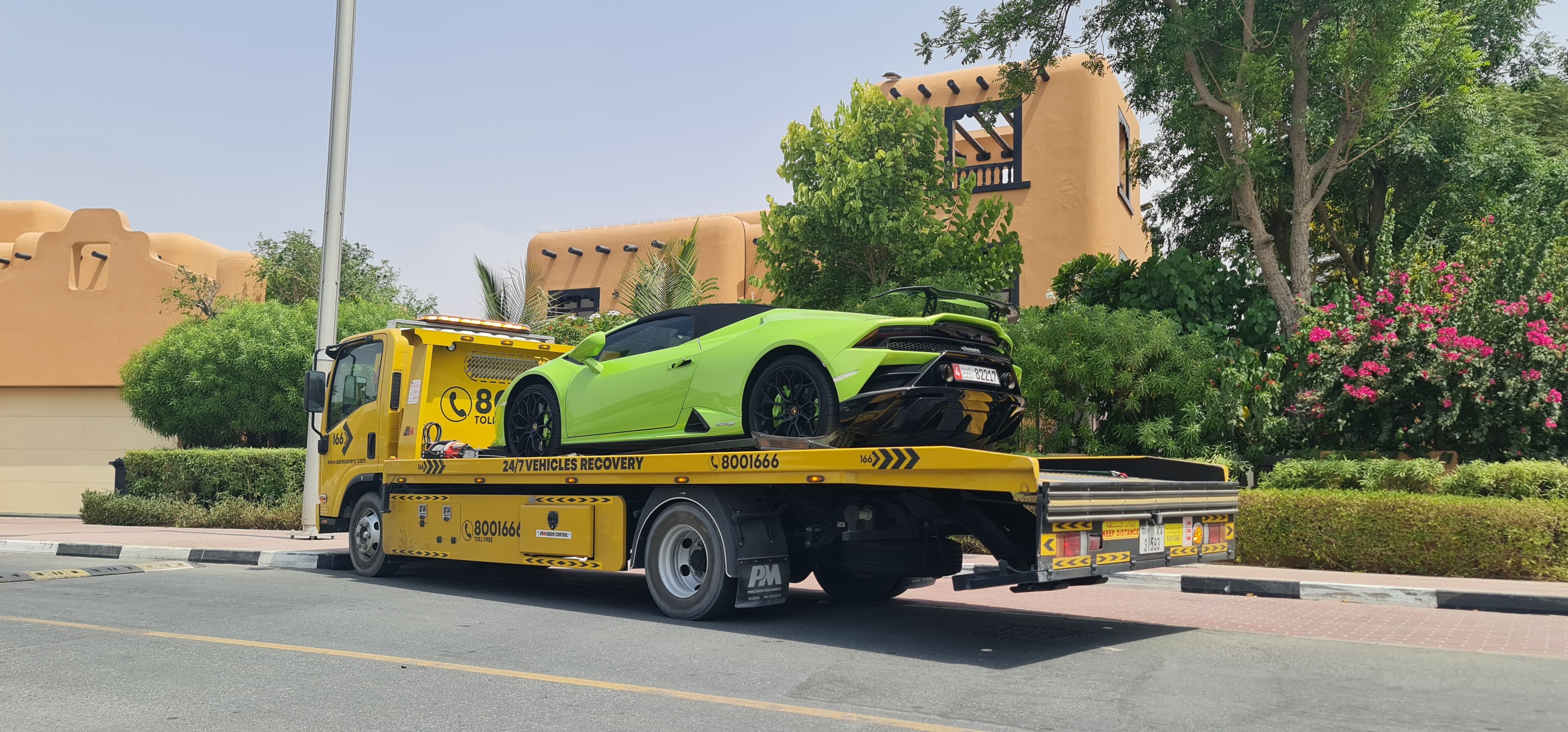
At 166 Recovery, we understand that a breakdown is more than just a mechanical issue- it's a disruption to your life. Our roadside assistance service is strategically stationed across the city to provide:
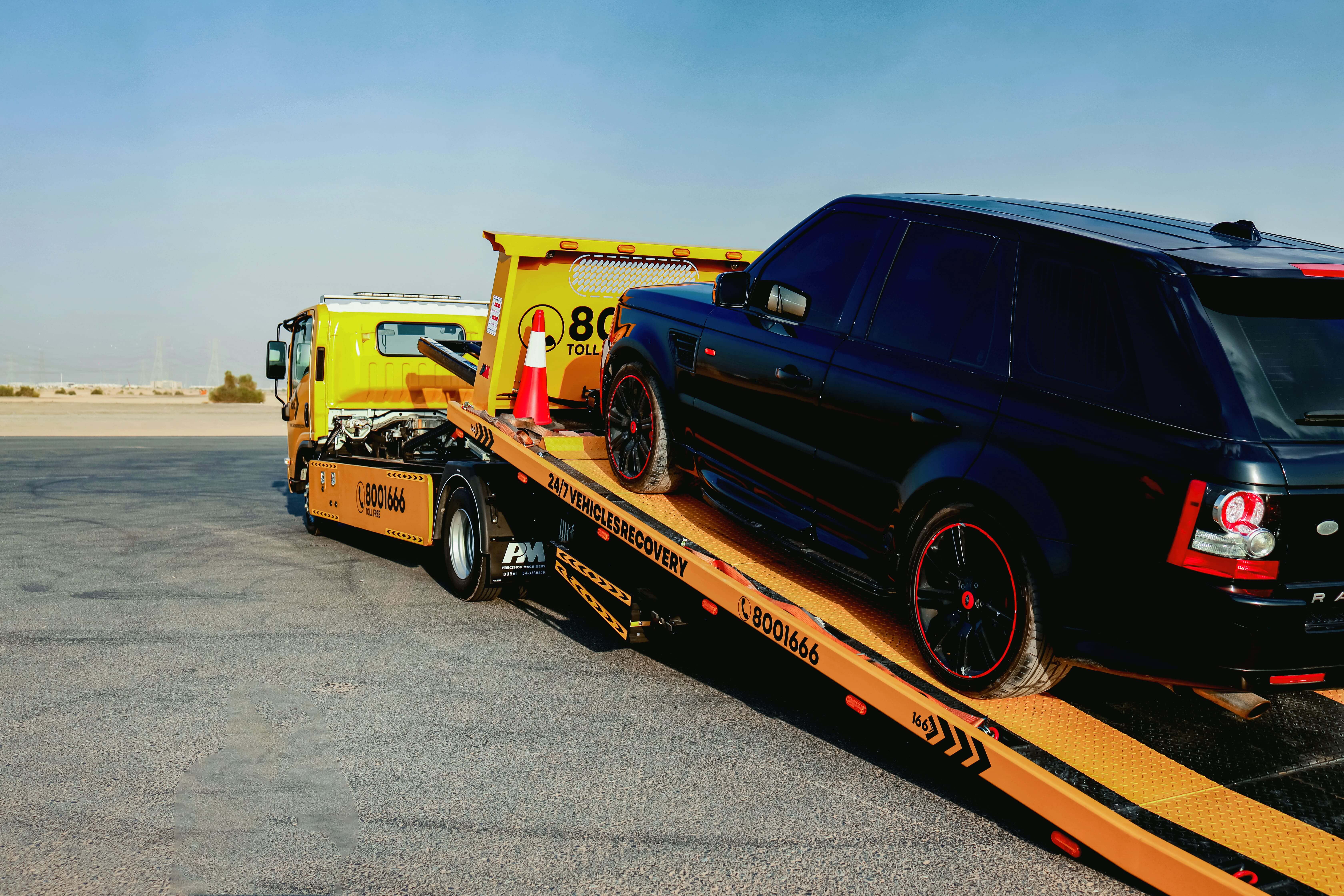
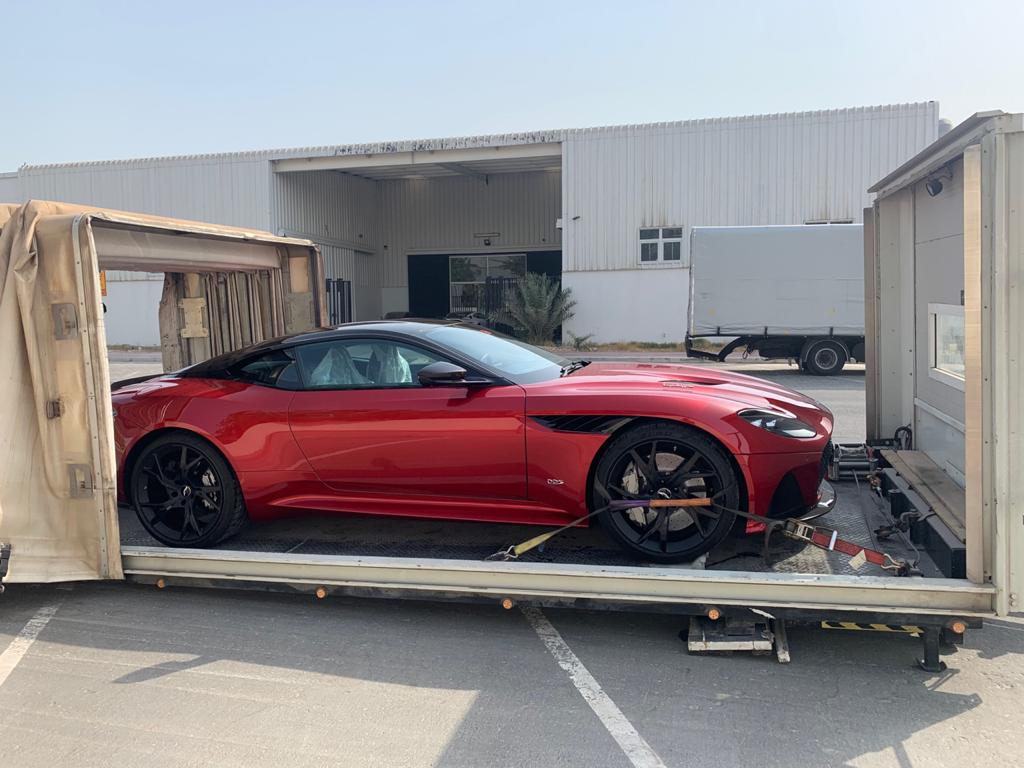
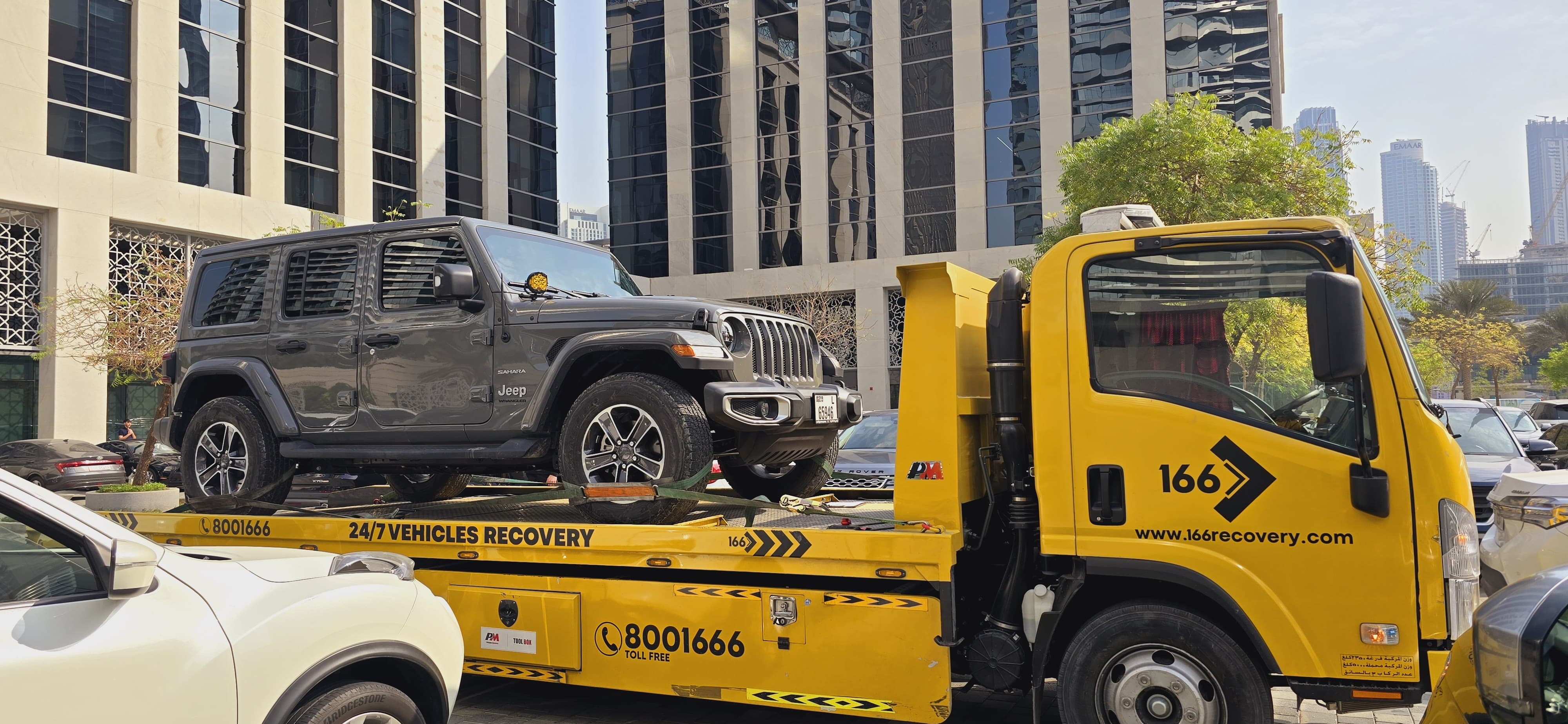
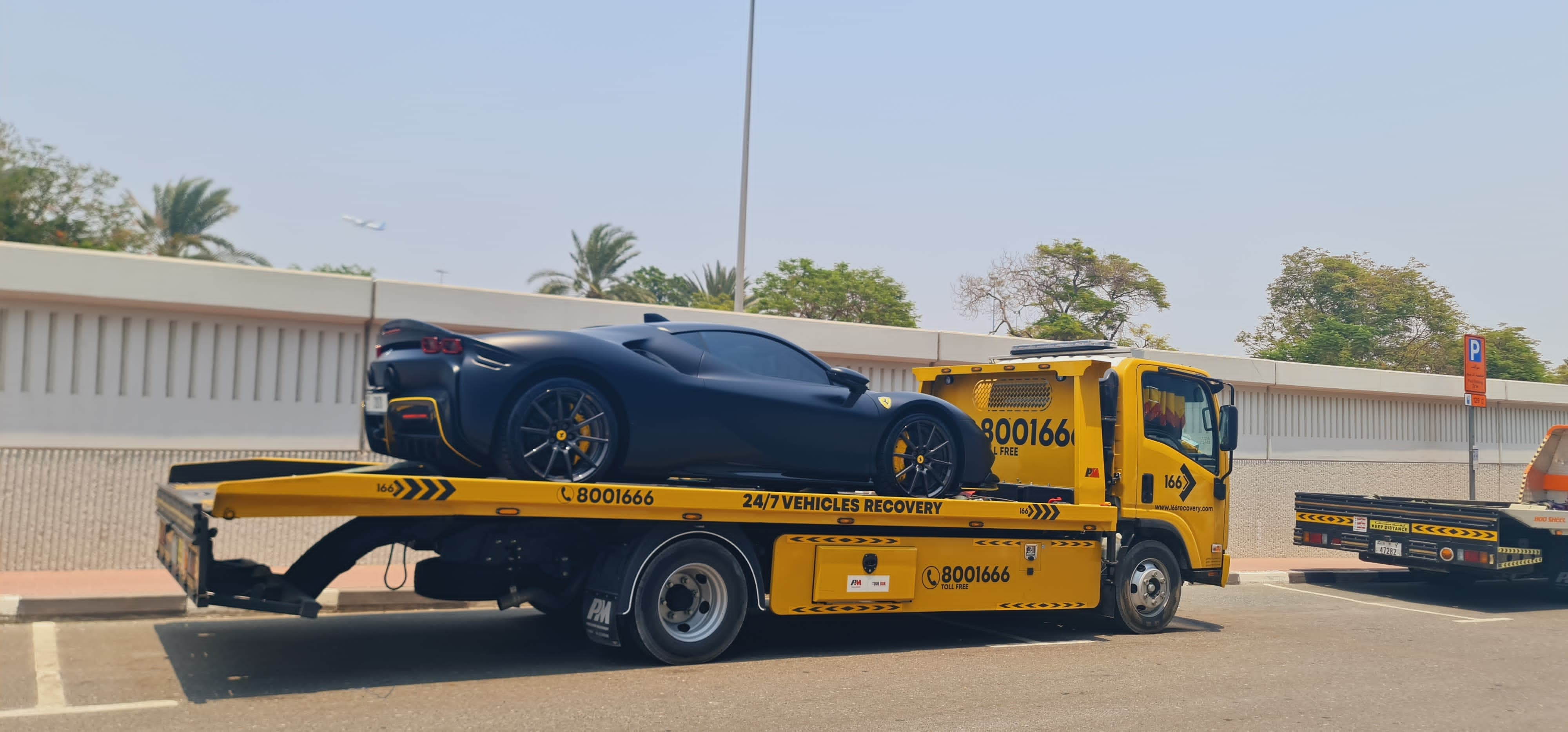
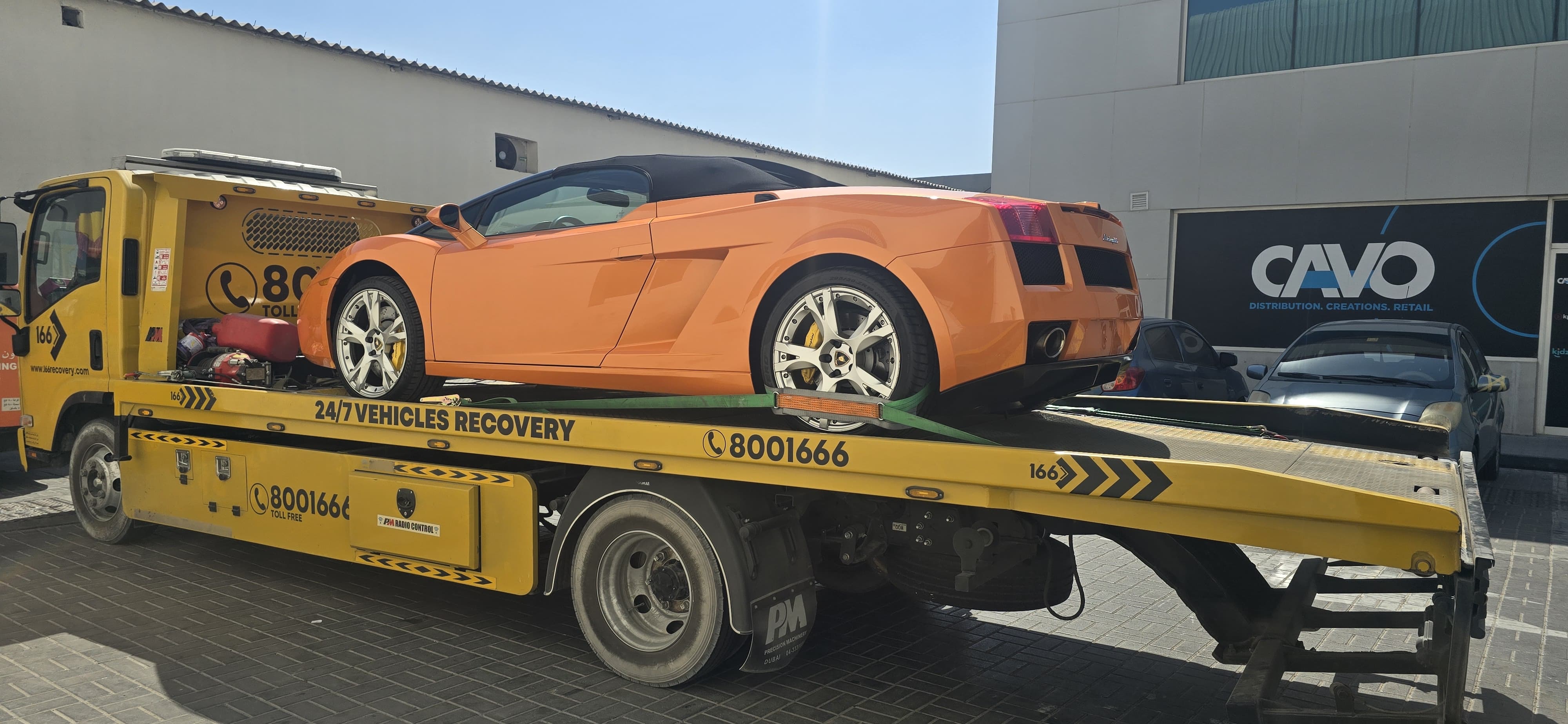
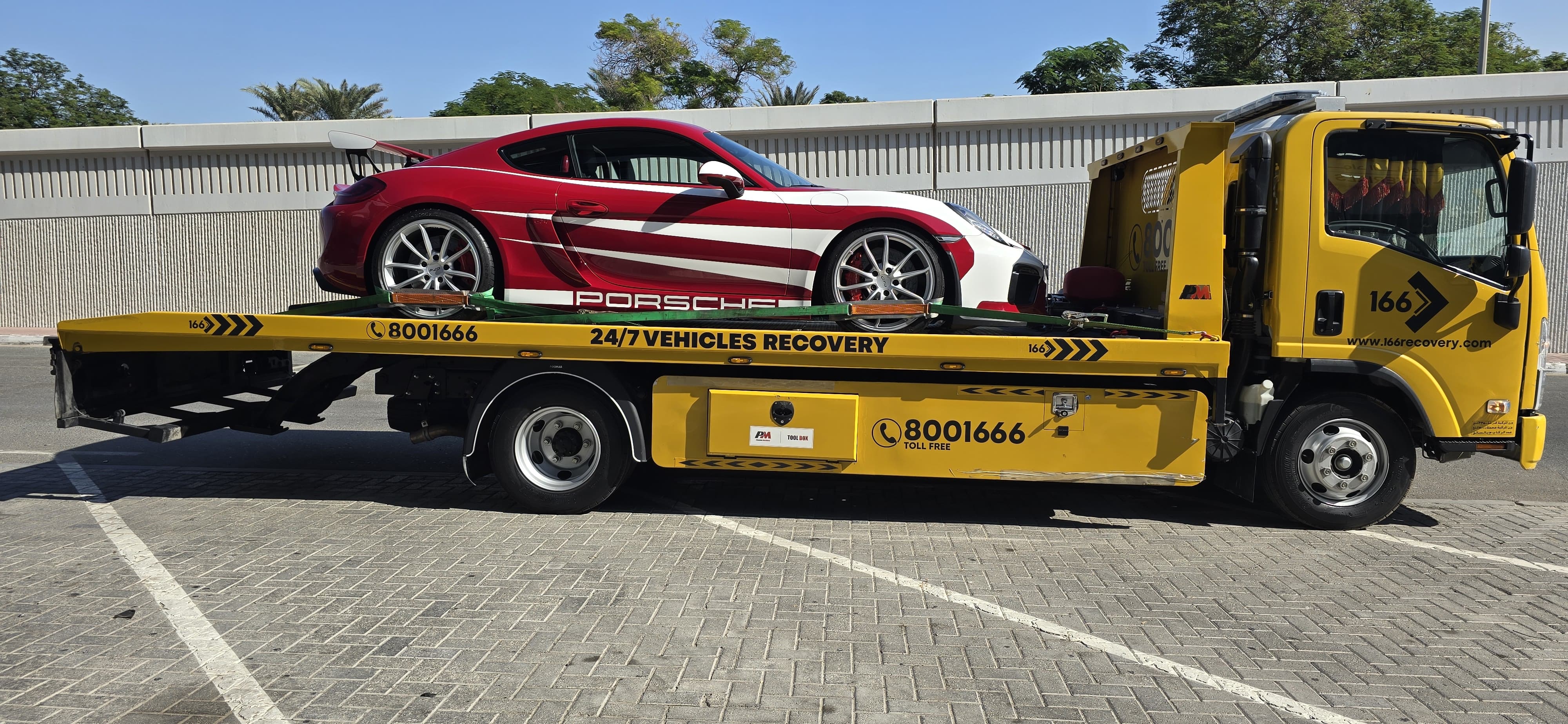
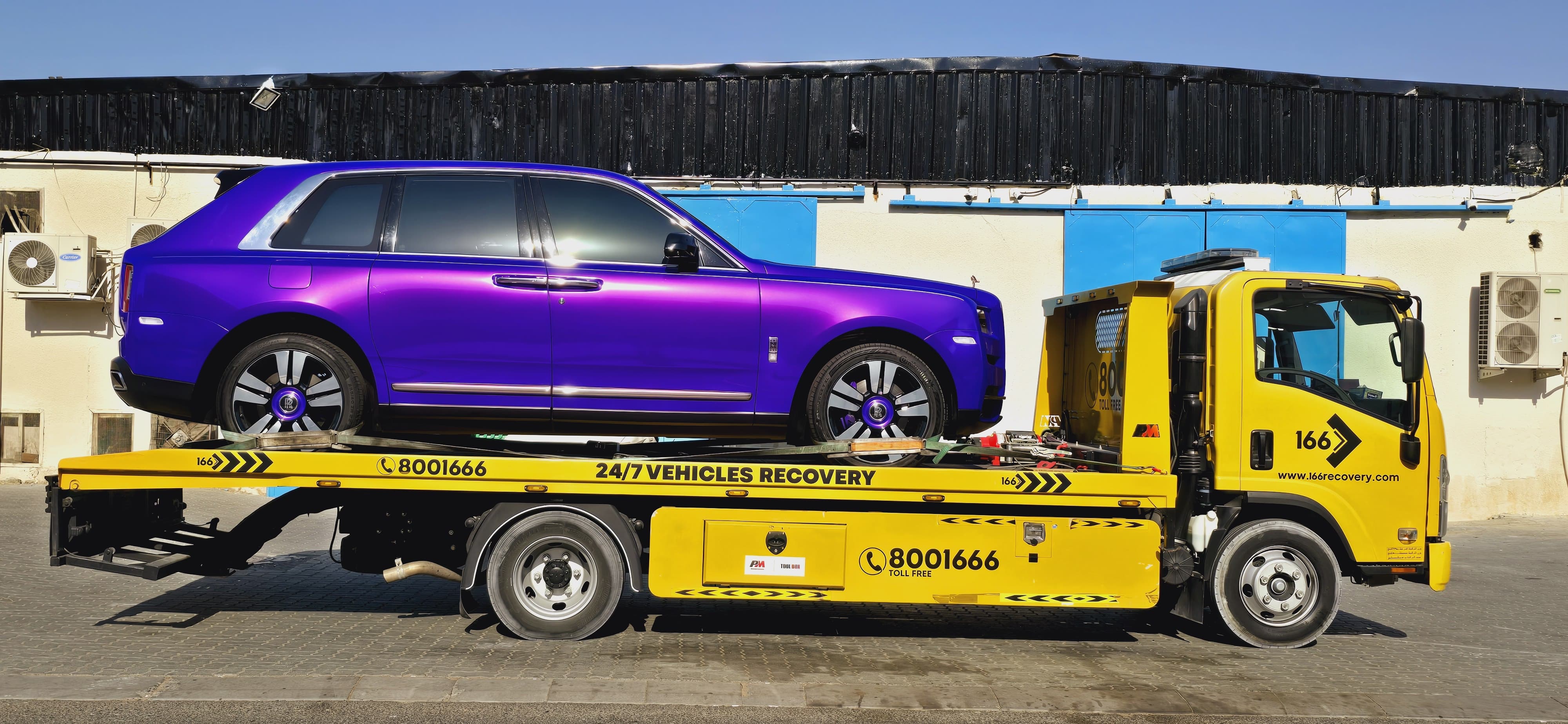
- Rapid Response Towing: From luxury sedans to heavy SUVs.
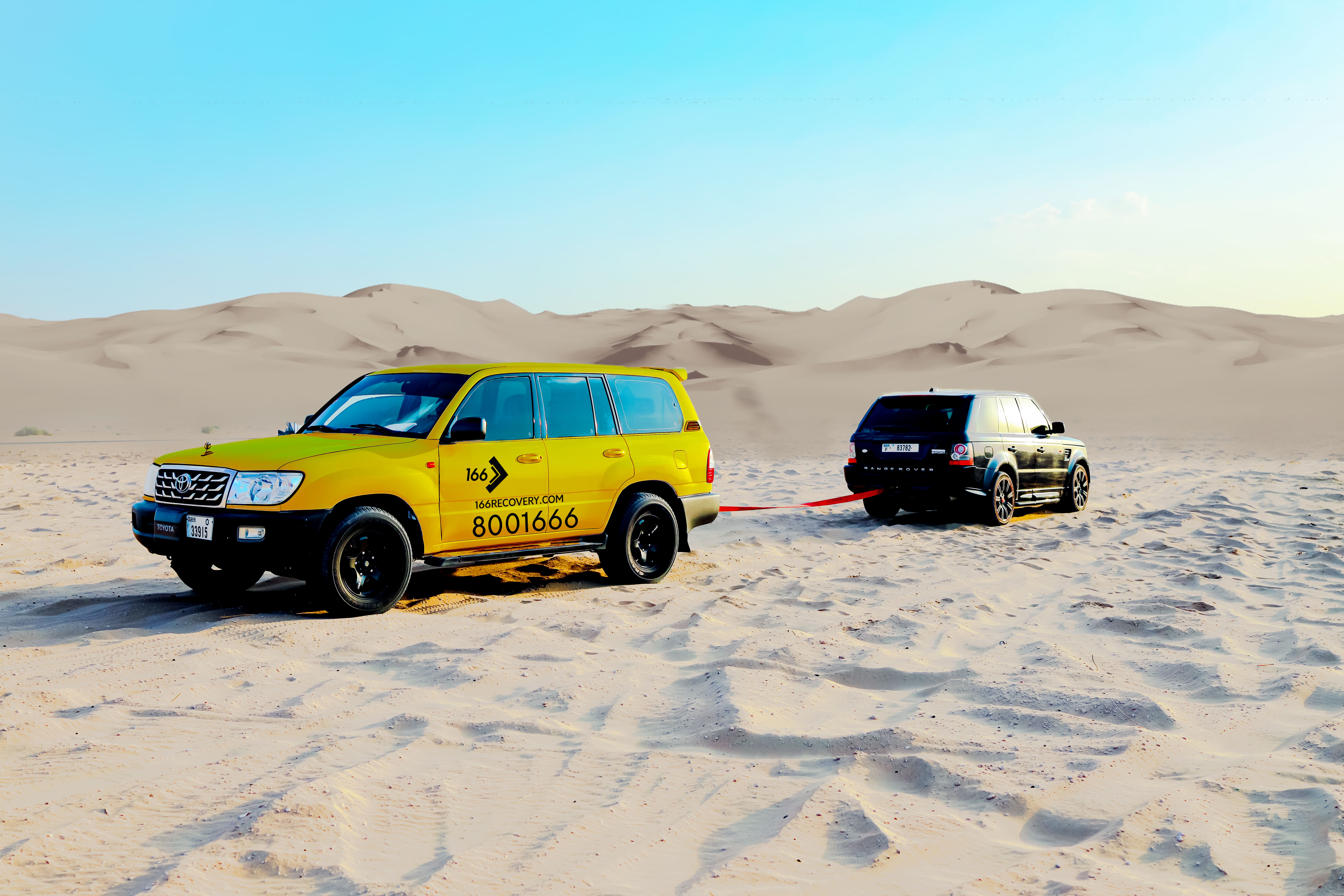
- Desert Recovery: Specialized 4x4 equipment for off-road mishaps.
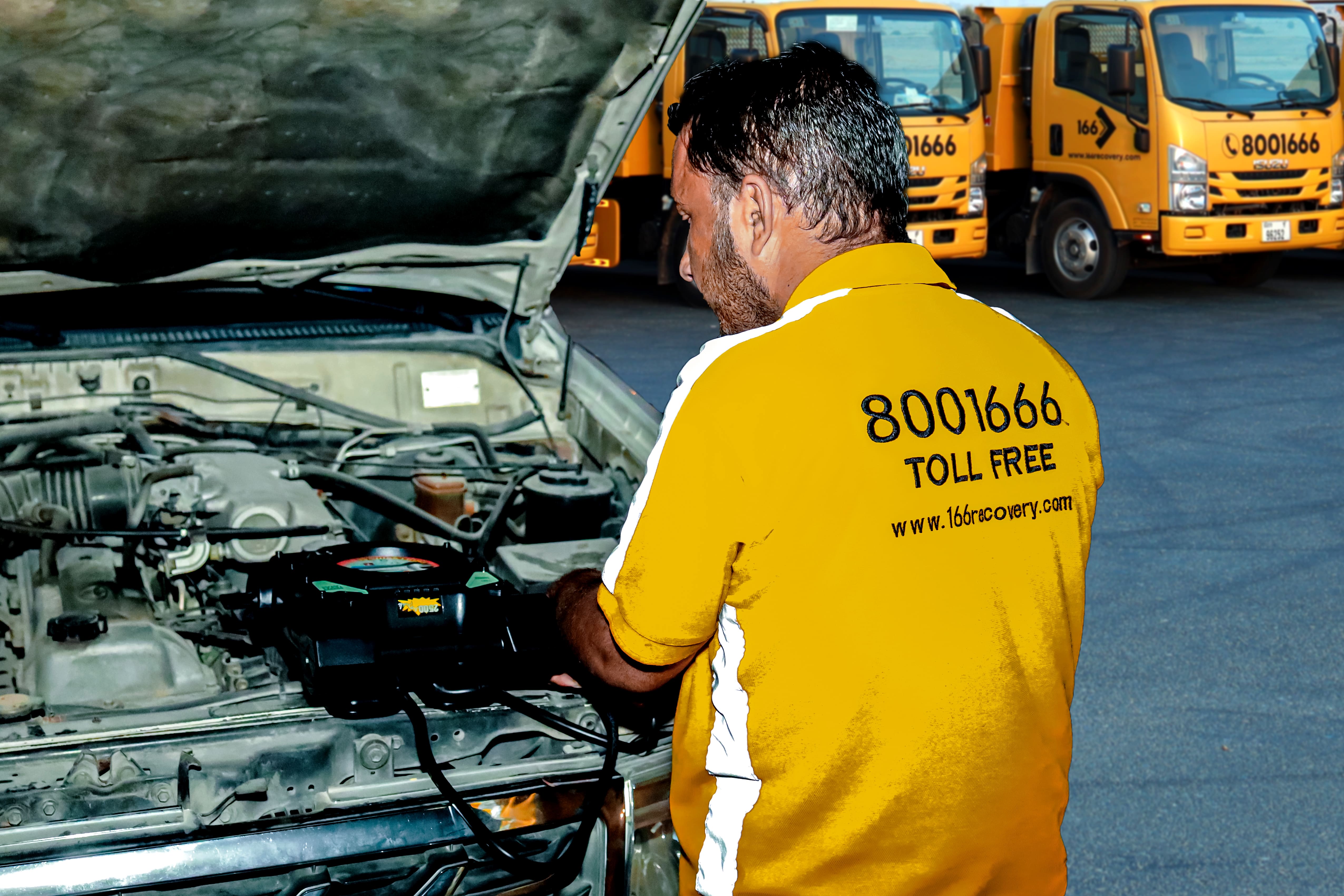
- Battery & Fuel Support: On-the-spot jumpstarts or fuel delivery.
- Don’t let a breakdown ruin your day.
Save our number and drive with peace of mind knowing that 166 Recovery is always behind you.
Author

Need Help on the Road?
We're available 24/7 for recovery and roadside assistance across UAE
Other Blogs


.jpg)


.jpeg)

.png)